
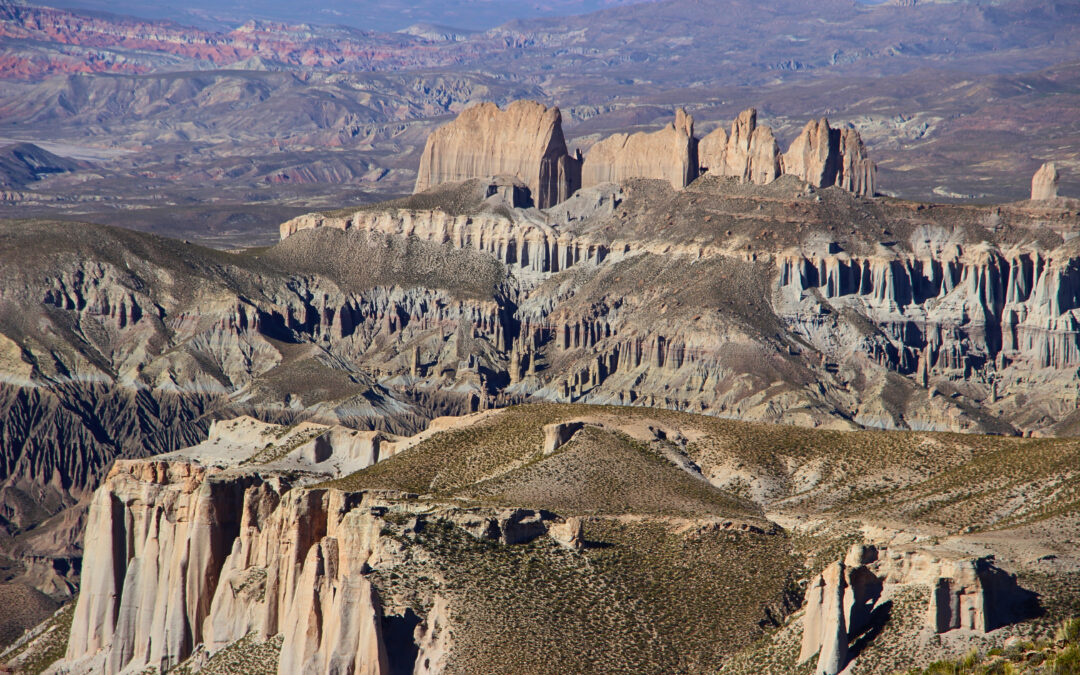
With technical support from PROMETA, the municipality of San Antonio de Esmoruco added more than 45,600 hectares to the protected area, thereby strengthening the conservation of water sources, biodiversity, landscapes, and cultural heritage.
The conservation of Potosí’s high-Andean ecosystems has reached a new milestone. Through Autonomous Municipal Law No. 128/2026, enacted on July 2, 2026, the Autonomous Municipal Government of San Antonio de Esmoruco expanded the Ciudad Roma–Guadalupe–Río Mojón–El Tholar Municipal Protected Area.
The expansion adds 45,665.65 hectares to the 65,677.60 hectares originally protected. As a result, Ciudad Roma now covers a total area of 111,343.25 hectares, divided into three zones: El Tholar, Esmoruco–Río Mojón, and Ciudad Roma.
This significant step forward was the result of a joint effort by the municipal government, local communities, and Protección del Medio Ambiente Tarija (PROMETA), which provided technical support to facilitate the expansion and strengthen the legal protection of the territory.
More Land to Protect Water and Biodiversity
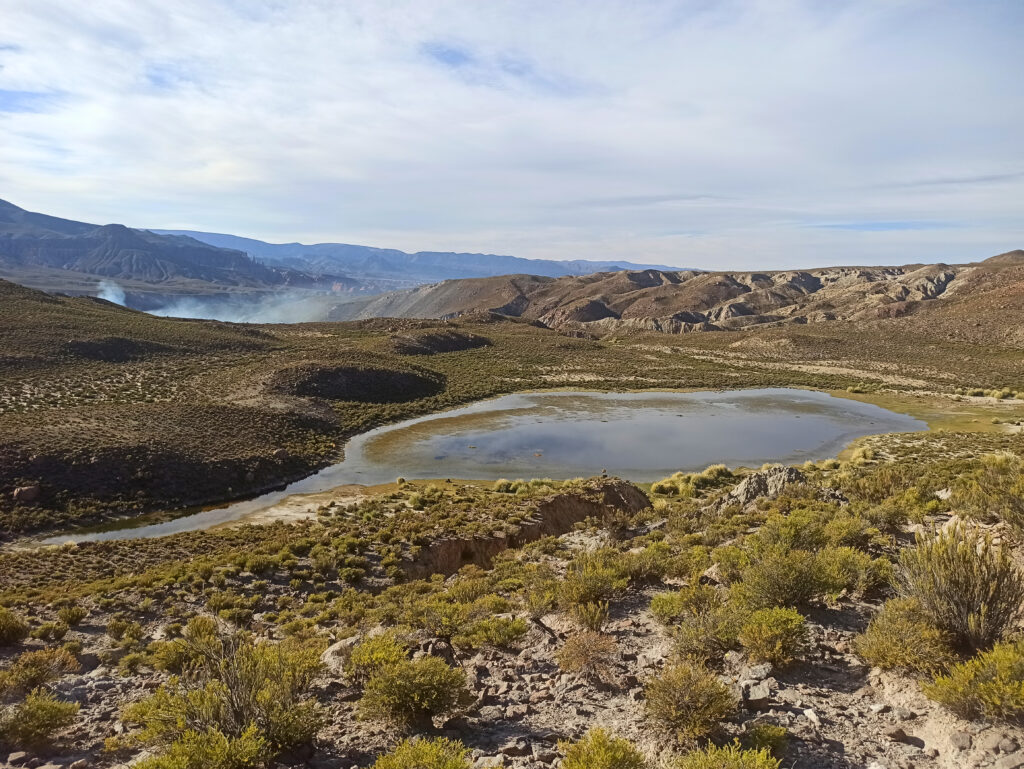
The city of Roma protects rivers, lagoons, wetlands, grasslands, and watershed headwaters that provide water to communities and sustain the ecosystems of the Lípez mountain range.
The expansion strengthens connectivity between these areas and preserves habitats used by threatened species such as the Andean cat—which is considered critically endangered in Bolivia—and the Andean rhea, as well as vicuñas, vizcachas, Andean foxes, and numerous bird species native to high-altitude ecosystems.
Among the main objectives established by the law are the protection of aquatic systems, the conservation of natural heritage, the sustainable use of resources, the preservation of geological formations, and the promotion of tourism activities that are compatible with conservation.
A Tri-National Ecological Corridor
The expansion of Ciudad Roma also improves connectivity with the Río Chilenas Municipal Protected Area and with important conservation areas in Bolivia, Chile, and Argentina.
This landscape is part of an ecological corridor that connects the Eduardo Avaroa Andean Wildlife National Reserve in Bolivia; the Los Flamencos National Reserve in Chile; and the Vilama Provincial Reserve in Argentina.
Protecting these connected territories facilitates wildlife movement, reduces habitat fragmentation, and helps conserve ecosystems shared by the three countries.
Nature, Geology, and Cultural Heritage
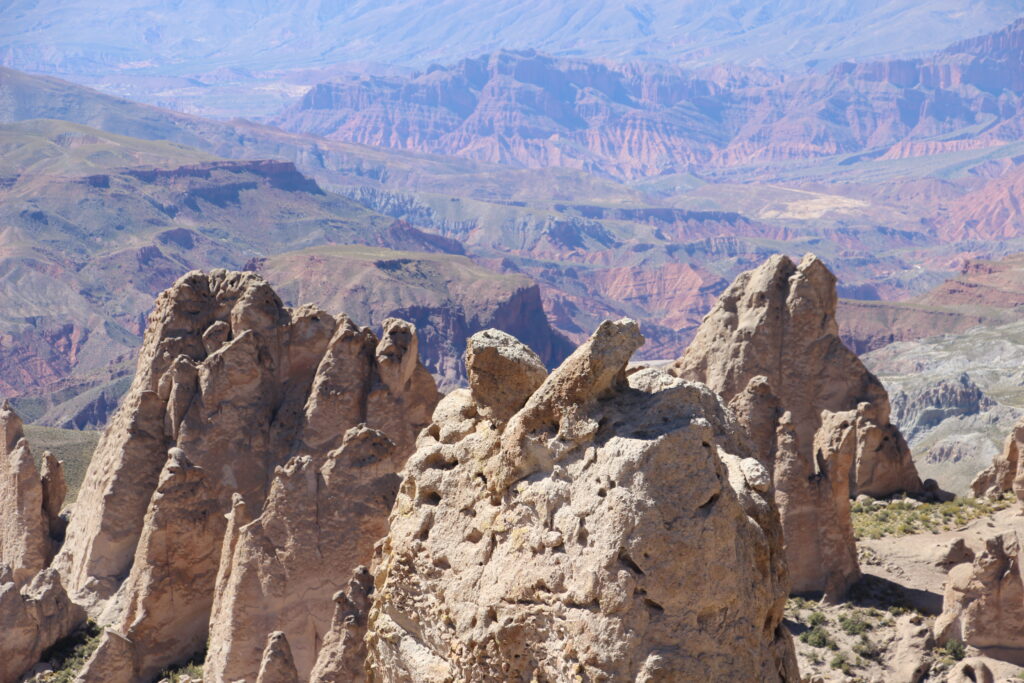
In addition to its biological diversity, Ciudad Roma is notable for its valleys, rock formations, and geologically unique landscapes. The area is also home to archaeological sites and burial towers known as chullpares, which are linked to the history and spirituality of the local communities.
The law establishes the categories of Natural Monument and Integrated Management Natural Area, making it possible to protect these exceptional natural assets while also recognizing traditional and sustainable land uses.
These characteristics offer opportunities to promote community-based tourism, birdwatching, landscape interpretation, and the enhancement of cultural heritage as economic alternatives for communities.
Conservation in Partnership with Communities
The municipal government will manage the protected area in coordination with communities, local organizations, and other institutions. The regulation also provides for the development of a Management Plan and the establishment of a Management Committee, which will enable local participation in the planning and administration of the area.
PROMETA provided technical support for this process, coordinating environmental information, community participation, and municipal management to transform a conservation priority into effective land protection.
The expansion of Ciudad Roma reaffirms that collaboration among municipal governments, communities, and conservation organizations can protect water, biodiversity, and cultural heritage, while also opening up new opportunities for sustainable development.
A collective effort
This achievement was made possible thanks to the leadership of the Autonomous Municipal Government of San Antonio de Esmoruco, the participation of the communities of San Antonio de Esmoruco, Guadalupe, El Tholar, and Río Mojón, local authorities, community organizations, and Protección del Medio Ambiente Tarija (PROMETA).
PROMETA’s technical assistance was made possible thanks to financial support from the Andes Amazon Fund and funding from the Conserva Aves initiative, led by the American Bird Conservancy, Audubon, Birds Canada, BirdLife International, and the Network of Environmental Funds of Latin America and the Caribbean (RedLAC).