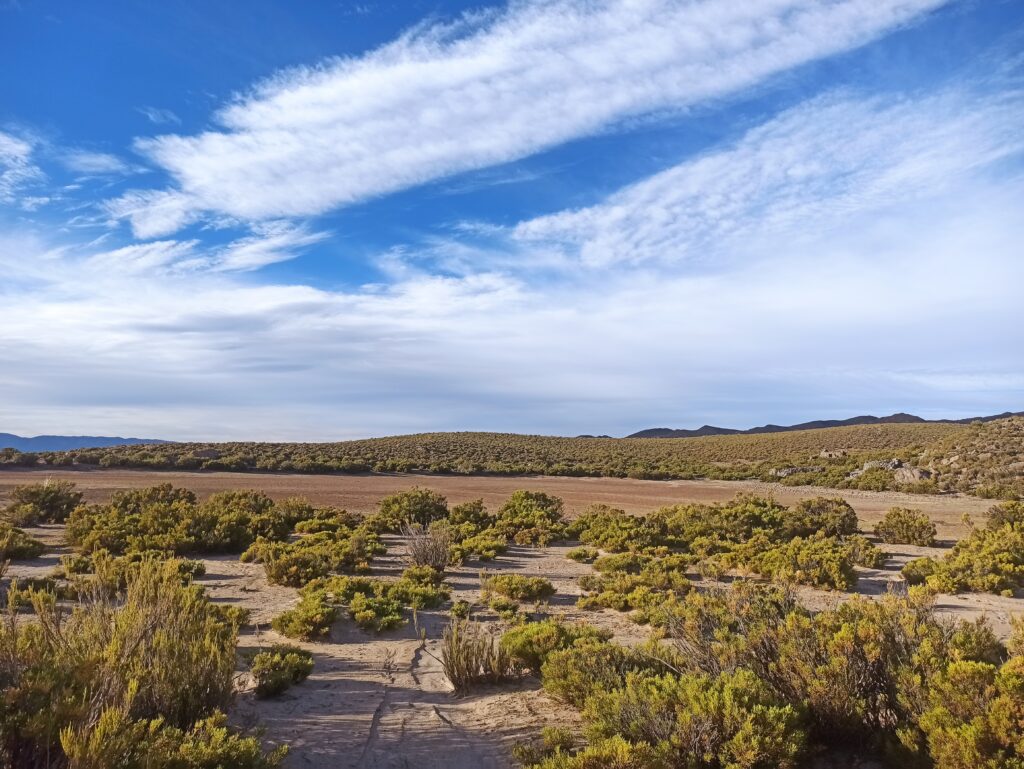
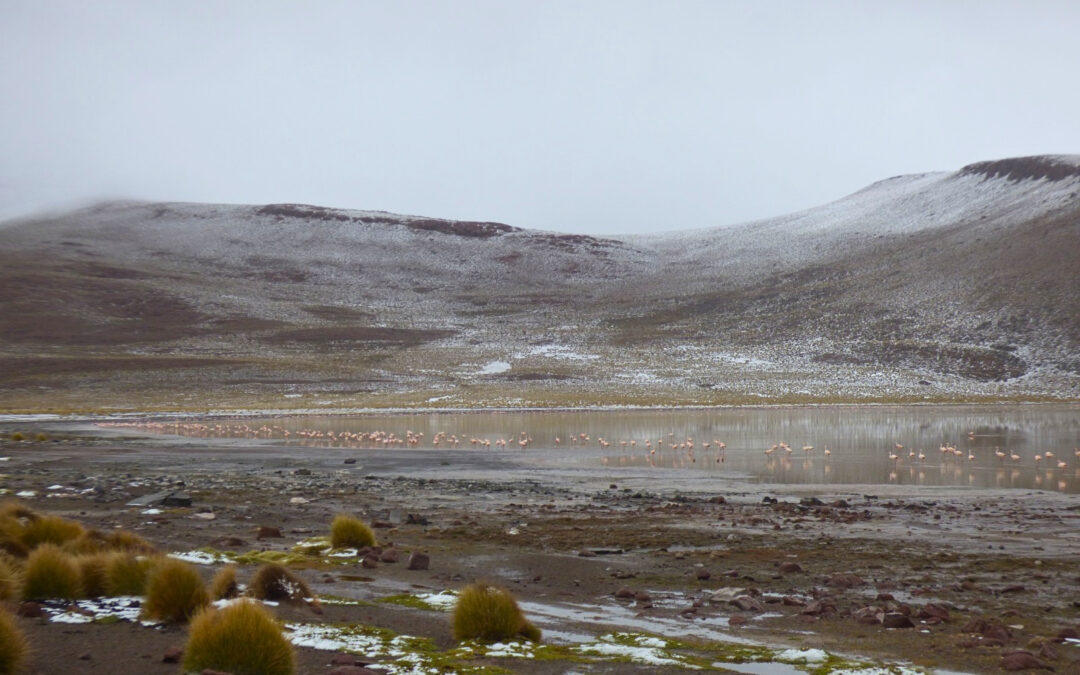
Las áreas protegidas municipales Río Chilenas y Ciudad Roma resguardan fuentes de agua, paisajes únicos, patrimonio arqueológico y especies amenazadas como el gato andino, el cóndor y el flamenco chileno.
Un nuevo corredor de conservación se consolida en el extremo sur de Bolivia. El proceso surgió por iniciativa de las comunidades y autoridades locales de Río Chilenas y Ciudad Roma, junto con el Territorio Indígena Originario Campesino del pueblo Lliphi, quienes, al conocer la experiencia y los resultados de PROMETA en territorios cercanos, solicitaron su acompañamiento técnico para impulsar la protección de estos paisajes.
A partir de esta iniciativa comunitaria, y en coordinación con el Gobierno Autónomo Municipal de San Antonio de Esmoruco, se logró establecer y ampliar las áreas protegidas municipales Río Chilenas y Ciudad Roma – Guadalupe – Río Mojón – El Tholar. En conjunto, ambas áreas protegen aproximadamente 168.488 hectáreas de humedales, pastizales, lagunas, bosques de Polylepis, formaciones rocosas y cabeceras de cuenca en la emblemática cordillera de Lípez, en el departamento de Potosí.
Este proceso representa un avance estratégico para la conservación de los ecosistemas altoandinos y demuestra cómo la iniciativa de las comunidades, respaldada por la gestión municipal y el acompañamiento técnico de PROMETA, puede traducirse en instrumentos concretos de protección territorial.
El acompañamiento continuo brindado por PROMETA fue posible gracias al apoyo financiero de Andes Amazon Fund y al financiamiento de la iniciativa Conserva Aves, liderada por American Bird Conservancy, Audubon, Birds Canada, BirdLife International y la Red de Fondos Ambientales de Latinoamérica y el Caribe (RedLAC).
Un corredor ecológico de alcance trinacional
Las nuevas áreas fortalecen la conectividad entre algunos de los espacios naturales más importantes de Bolivia, Chile y Argentina. Su ubicación permite articular un corredor ecológico con la Reserva Nacional de Fauna Andina Eduardo Avaroa, en Bolivia; la Reserva Nacional Los Flamencos, en Chile; y la Reserva Provincial Vilama, en Argentina.
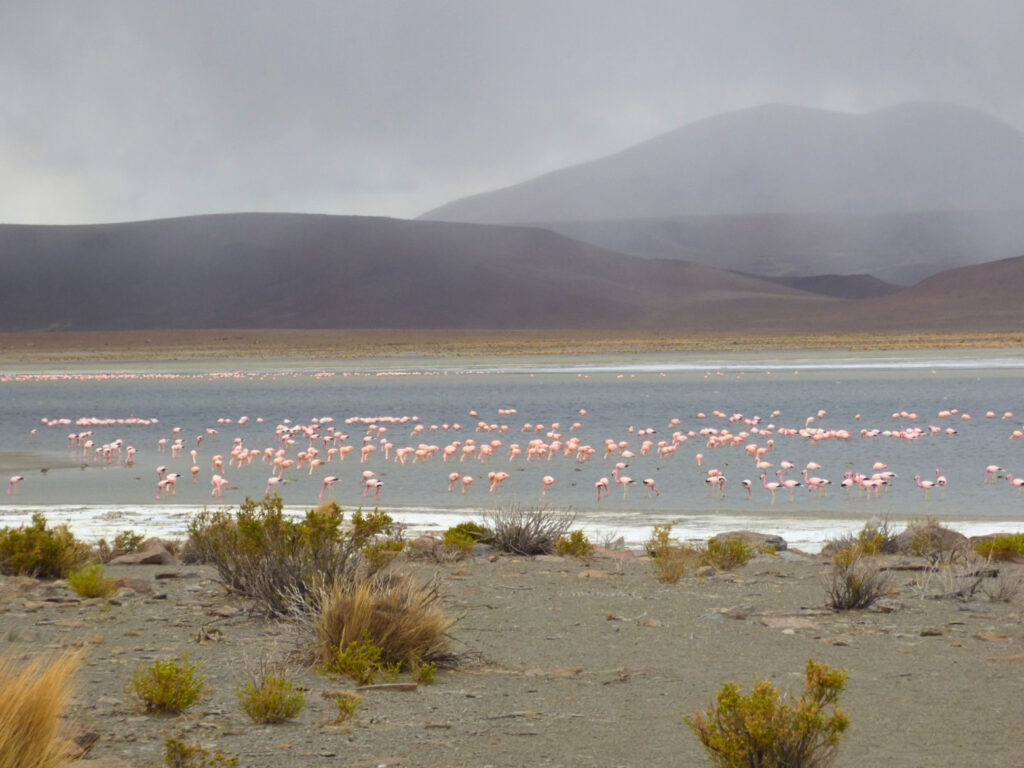
Este conjunto de áreas protegidas contribuye a conservar paisajes compartidos por especies que necesitan extensos territorios para desplazarse y sobrevivir. Entre ellas se encuentran el gato andino, considerado en peligro crítico de extinción en Bolivia; el cóndor andino, catalogado como vulnerable; y el flamenco chileno, clasificado como casi amenazado.
Las áreas también resguardan poblaciones de vicuña, vizcacha, zorro andino y ñandú de Darwin, además de una importante diversidad de aves adaptadas a las condiciones extremas de los Andes.
Río Chilenas: agua y biodiversidad en la frontera altoandina
El Área Protegida Municipal Río Chilenas fue establecida el 27 de octubre de 2025 y protege 57.144 hectáreas de ecosistemas altoandinos próximos a la frontera con Argentina.
Dentro de sus límites se encuentran más de 30 lagos y lagunas de altura, humedales, pastizales y bosques de Polylepis. El área protege, además, las cabeceras de la cuenca San Juan del Oro–Pilaya–Pilcomayo, cuyas aguas forman parte del gran sistema hidrográfico de la cuenca del Río de la Plata.
Su creación permitirá enfrentar amenazas como la minería ilegal, la caza furtiva y la degradación de hábitats, al tiempo que favorecerá actividades compatibles con la conservación, como el pastoreo sostenible de camélidos y el turismo comunitario.
Por su proximidad a la laguna Colorada —primer sitio Ramsar de Bolivia y uno de los destinos naturales más reconocidos del país—, Río Chilenas también ofrece oportunidades para integrar la conservación con circuitos turísticos gestionados en beneficio de las comunidades locales.
Ciudad Roma: naturaleza, arqueología y paisajes excepcionales
El Área Protegida Municipal Ciudad Roma – Guadalupe – Río Mojón – El Tholar fue creada el 18 de diciembre de 2025. Inicialmente comprendía 65.678 hectáreas, pero el 2 de julio de 2026 fue ampliada en otras 45.666 hectáreas, reforzando la protección de hábitats clave para aves amenazadas y otras especies altoandinas.
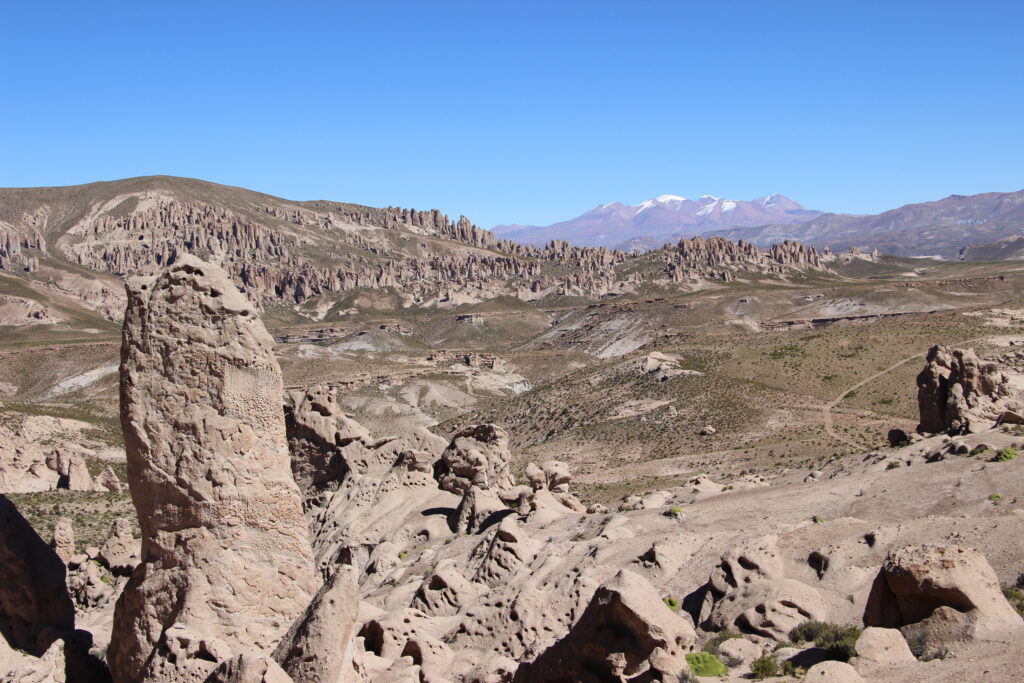
Ciudad Roma se caracteriza por sus valles, formaciones rocosas y paisajes geológicamente singulares. Además de su valor natural, contiene numerosos sitios arqueológicos y torres funerarias conocidas como chullpares, correspondientes a diferentes periodos históricos.
La protección municipal busca impedir el saqueo y la destrucción de estos lugares sagrados, anteriormente amenazados por actividades extractivas y por la intervención de personas externas.
Entre las prioridades para la gestión del área se encuentran la conservación de las fuentes de agua, el mantenimiento de la conectividad ecológica, la protección del patrimonio arqueológico y el desarrollo de un turismo comunitario basado en los valores naturales y culturales del territorio.
Conservación construida desde el territorio
La creación y ampliación de estas áreas protegidas es resultado de un proceso participativo liderado por el Gobierno Autónomo Municipal de San Antonio de Esmoruco, las comunidades y autoridades locales de Río Chilenas y Ciudad Roma, y el Territorio Indígena Originario Campesino del pueblo Lliphi.
PROMETA brindó el acompañamiento técnico necesario para sustentar la protección de estos territorios, articulando la información ambiental y científica con la participación comunitaria y la gestión pública municipal.
Este modelo demuestra que la conservación puede convertirse en una herramienta para proteger el agua, fortalecer la identidad cultural, conservar la biodiversidad y generar nuevas oportunidades económicas para las poblaciones locales.
El establecimiento y ampliación de Río Chilenas y Ciudad Roma consolida uno de los avances recientes más importantes para la protección de los ecosistemas altoandinos del sur de Bolivia y reafirma el compromiso de PROMETA de acompañar soluciones de conservación construidas junto con las comunidades y los gobiernos locales.